


How a meal delivery leader built an AI platform that personalizes the subscriber experience
Learn how phData built a production-ready enterprise AI agent platform on AWS in seven weeks using Amazon Bedrock AgentCore.

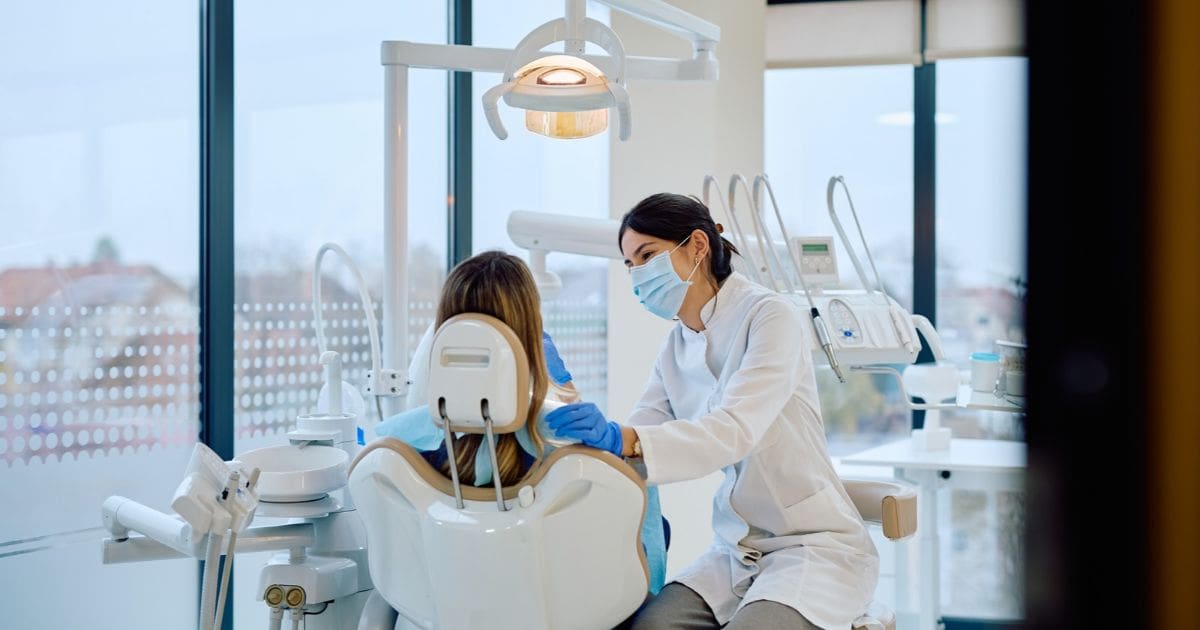
Ultradent is a global dental equipment and supplies company serving dental professionals and organizations worldwide. phData delivered hands-on Claude training and a shared framework for turning early AI experiments into repeatable work across Ultradent.
| Industry | Dental equipment and suppliesDental equipment and supplies |
| Scale | Global company serving dental professionals and organizations worldwide |
| Challenge | Claude use needed a shared foundation for safe experimentation, practical use cases, and repeatable ways of working. |
| Technology | Claude, Claude Cowork, Claude Design, Claude Skills, Snowflake, and a semantic model in progress |
| Results | Faster Finance close cycles, a shorter Data and Analytics response window, fewer hotfixes, and broader Claude use across the business |
| Phdata Service | Anthropic, AI enablement, Advisory, Analytics, Catalyst Assessment Framework |
Ultradent already had Claude licenses and was exploring how the tool could support business operations and technical teams. Usage was moving beyond basic experimentation, but teams needed a common way to work before scaling further.
The company wanted users to understand what Claude and Claude Cowork could do in live workflows. Teams also needed common prompt patterns, reusable skills, and a way to identify which use cases were worth pursuing.
The work crossed departments. Finance, Operations, Data and Analytics, Marketing, and other groups were looking at similar questions: which tasks could be reduced or automated, how could teams share what they built, and how could Claude connect to Ultradent’s existing data and processes?
Ultradent’s Data and Analytics team was also building a semantic model and exploring how agents could work against it. The organization needed a path from safe experimentation to practical pilots.
Four decisions shaped the delivery.
phData designed and led an in-person Claude Cowork training session for Ultradent’s teams. Participants used synthetic data to work through practical exercises with Claude Cowork and Claude Design, so they could test ideas without using production data during the workshop.
The session brought stakeholders from multiple business units into the same room. Teams worked through shared exercises, compared workflows, and saw where a Claude Skill or shared agent could support more than one group.
phData used its Catalyst Assessment Framework to help Ultradent identify and rank practical opportunities. The framework gave teams a shared way to discuss business value, effort, and sequencing, rather than pursuing disconnected experiments.
The workshop introduced prompt patterns, workflows, and Claude Skills that teams could build, use, and share. phData’s data and analytics background kept the discussion connected to Ultradent’s Snowflake environment, semantic model, and future agent work.
The initial engagement focused on Claude training and enablement. It did not include platform, data, or workflow integration. Those are possible next steps as Ultradent moves selected use cases from experimentation into pilots.
Ultradent moved from broad interest in Claude to shared ways of working across multiple departments. Teams began building and sharing Claude Skills and agents, while phData’s Catalyst Assessment Framework gave them a clearer path for deciding what to pursue next.
The early gains were measurable:
Finance reduced its monthly close from 12–14 days to 5–7 days.
Finance reduced its quarterly close from 20–30 days to 10–12 days.
Data and Analytics reduced its SLA for reporting issues and enhancements from 1–2 months to 1–2 weeks.
Data and Analytics reduced hotfixes from 10–15% of deployments to 1–2%.
Marketing stopped the hiring process for two backfill roles because of its increased AI capabilities.
Claude and AI use expanded beyond IT, with teams sharing agents and skills across the organization.
This engagement does not include a reported project investment or ROI figure. The results to date show how a shared operating model can turn existing Claude access into measurable work across several teams.
monthly close (previous 12–14 days)
quarterly close (previous 20–30 days)
hotfixes as a share of deployments (previous 10–15%)
Ready to see what a similar engagement could look like for your organization?
Ultradent’s Claude training program follows a repeatable pattern for organizations that already have access to Claude but need a clearer path to business value: start with real workflows, use safe data for hands-on learning, bring business and technical teams together, capture repeatable skills, and rank use cases by business value.
That foundation gives teams a way to expand Claude use without letting every department create its own process. It also creates a path from individual productivity gains to connected systems built on the organization’s data.
As Ultradent’s use cases mature, the next steps include broader enablement, more automation of repetitive work, continued development of the semantic model, and pilots for selected agent workflows.
Learn how phData built a production-ready enterprise AI agent platform on AWS in seven weeks using Amazon Bedrock AgentCore.
phData delivered a tailored, in-person Claude Cowork enablement session, hands-on exercises with synthetic data, cross-functional working sessions, Claude Skills and prompt-pattern guidance, and the Catalyst Assessment Framework for prioritizing use cases.
Finance used Claude Skills to reduce the monthly close from 12–14 days to 5–7 days and the quarterly close from 20–30 days to 10–12 days.
The team reduced its SLA for reporting issues and enhancements from 1–2 months to 1–2 weeks. It also reduced hotfixes from 10–15% of deployments to 1–2%.
No. The engagement was an initial Claude training and enablement phase rather than a full production rollout. Ultradent plans to move selected use cases, including semantic-model and agent work and repetitive-process automation, from experimentation into pilots.
Marketing and Finance plan to apply the tools and skills from the workshop to their daily work. Ultradent also plans to expand enablement, continue building its semantic model, assess additional automation opportunities, and develop governance and best practices as Claude use grows.
Talk to a phData expert about hands-on Claude training that turns early experiments into repeatable work.
We use cookies to improve your experience on our site. By using our site, you consent to cookies.
Manage your cookie preferences below:
Essential cookies enable basic functions and are necessary for the proper function of the website.
Google Tag Manager simplifies the management of marketing tags on your website without code changes.
Service URL: business.safety.google (opens in a new window)
Statistics cookies collect information anonymously. This information helps us understand how visitors use our website.
Clarity is a web analytics service that tracks and reports website traffic.
Service URL: clarity.microsoft.com (opens in a new window)
Google Analytics is a powerful tool that tracks and analyzes website traffic for informed marketing decisions.
Service URL: business.safety.google (opens in a new window)
Marketing cookies are used to follow visitors to websites. The intention is to show ads that are relevant and engaging to the individual user.
Facebook Pixel is a web analytics service that tracks and reports website traffic.
Service URL: www.facebook.com (opens in a new window)
HubSpot is an all-in-one marketing, sales, and customer service platform that streamlines business growth.
Service URL: legal.hubspot.com (opens in a new window)
LinkedIn Insight is a web analytics service that tracks and reports website traffic.
Service URL: www.linkedin.com (opens in a new window)